


Freno a pressione CNC per ferramenta per mobili: Punte per la flessione a tolleranza stretta
Scegliere un freno a pressione CNC per ferramenta di mobili è la scelta più importante che farai per la tua linea di produzione. A differenza della lavorazione dei metalli generali, La ferramenta per mobili coinvolge piccole parti che devono combaciare perfettamente insieme in complessi insiemi. Devi assicurarti che la tua macchina offra alta ripetibilità e una stabilità di flessione a microtolleranze per evitare guasti di assemblaggio. In questo settore, La precisione posizionale del ram e del retro del calibro conta molto più del tonnellaggio grezzo. Spesso si lavora con materiali sottili dove anche una piccola deviazione di precisione di curvatura può rovinare un pezzo. Proteggere la finitura superficiale è anche una priorità assoluta, poiché l'hardware è spesso un elemento decorativo visibile.
Questa guida esplora come gestire il controllo della deformazione delle piccole flange e come scegliere gli utensili giusti per le micro-flambure. Scoprirai perché l'accuratezza posizionale a ciclo ripetuto è il cuore della produzione hardware. Seguendo questi consigli di precisione, Puoi ridurre gli sprechi e migliorare la qualità estetica delle cerniere, Diapositive, e i bracket.
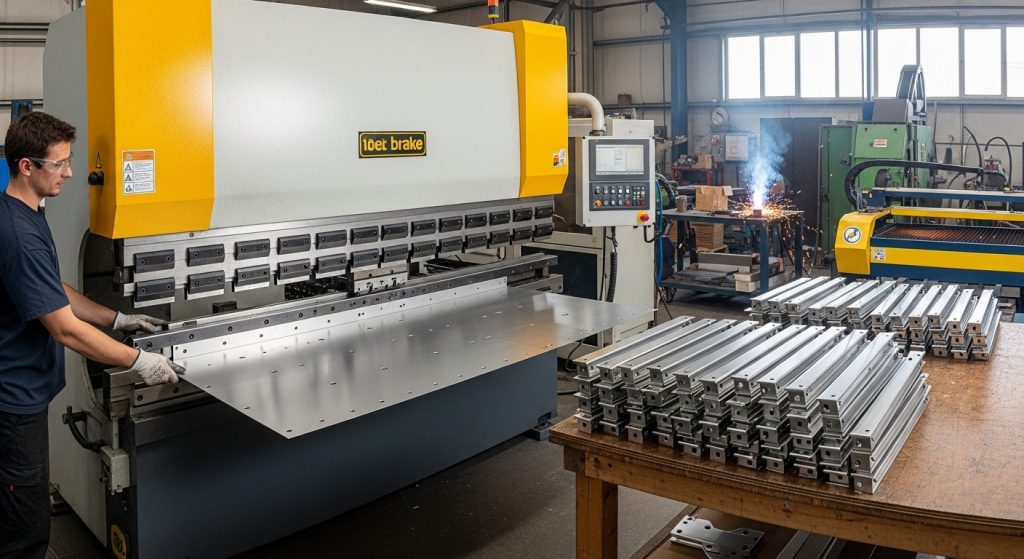
Il successo della tua produzione dipende dalla risoluzione di queste specifiche sfide applicative:
- Ottenere una finestra di tolleranza di ripetizione per micro-bend per lotti ad alto volume.
- Prevenire l'amplificazione della visibilità delle macchie superficiali su alluminio o ottone decorativo.
- Controllo dell'effetto di deriva posizionale dell'allineamento degli utensili durante lunghe serie..
- Gestione dell'accumulo di tolleranza alla flessione di piccole parti in sequenze multi-flessione.
Perché la produzione di ferramenta per mobili dipende dalla precisione del freno a pressione CNC
Produrre ferramenta per mobili è un gioco di millimetri. Non stai solo piegando il metallo; Stai creando il cuore meccanico di un mobile o di una scrivania. Se una cerniera è spostata di una frazione di grado, La porta non si chiude dritta. Per questo motivo devi affidarti a una banda di precisione micro posizionale di ripetizione che solo un sistema CNC di fascia alta può fornire.
- Limiti dimensionali stretti: Le parti hardware sono piccole, il che significa che ogni errore rappresenta una grande percentuale della dimensione totale.
- Dipendenza da assembly fit: I tuoi componenti devono avere una tolleranza di adattamento perfetta per lavorare con componenti in legno o plastica.
- Allineamento della sequenza: L'errore posizionale di pila a piegatura a più stadi può rovinare un pezzo se la prima piegatura non è esattamente giusta.
- Consistenza dei lotti: You need the 1,000th part to be identical to the first part to ensure a smooth assembly line.
Le parti piccole spesso presentano molte curve molto vicine tra loro. Se il tuo retromisuratore ha anche solo un minimo di drift, L'accumulo di tolleranza alla flessione di piccole parti renderà il prodotto finale inutilizzabile. Un freno a pressione CNC utilizza servomotori per mantenere queste posizioni con estrema cura. Questo livello di controllo è ciò che permette di produrre hardware di alta qualità su larga scala.
Parti tipiche di ferramenta per mobili che richiedono una rigida tolleranza per la flessione CNC
Scoprirai che la maggior parte degli accessori per mobili si basa su forme complesse realizzate con lamiere sottili. Ognuna di queste parti ha un requisito specifico di controllo della distanza meccanica che devi soddisfare.
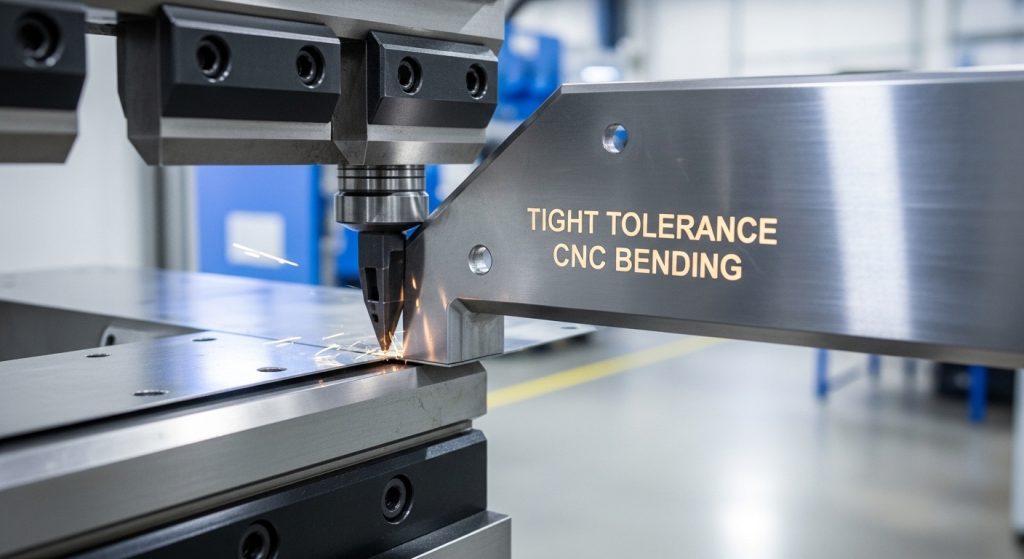
- Cerniere: Questi richiedono un allineamento preciso dell'asse della cerniera affinché il perno si adatti e ruoti senza bloccarsi.
- Staffe scorrevoli per cassetti: Devi mantenere una tolleranza di allineamento rigida per l'assemblaggio in modo che i cassetti scivoli senza oscillare.
- Supporti di montaggio dei mobili: Queste parti necessitano di alta resistenza e angoli esatti per sostenere il peso di mobili pesanti.
- Connettori per telai di mobili: Questi spesso comportano curve di ritorno in cui la geometria di evitamento dell'interferenza di ritorno è fondamentale.
- Ferramenta decorativa visibile: Queste parti sono sensibili alla visibile sensibilità alla distorsione estetica dell'hardware e devono essere piegate senza graffi.
Quando pieghi il carrello di un cassetto, La distanza tra i due lati deve essere esatta. Se l'angolo di flessione è sbagliato, Il carrello si blocca o si sente allentato. Usare un freno a pressione CNC ti permette di programmare queste esatte distanze e angoli in un'unica sequenza. Questo garantisce che ogni staffa che realizzi si adatti perfettamente al meccanismo di scorrimento ogni volta.
Differenze nel comportamento dei materiali nella piegatura dell'hardware per mobili
Metalli diversi reagiscono in modi unici quando applichi pressione. Devi adattare il tuo processo in base a come il materiale si muove e si riprende.
| Materiale | Sfida alle primarie | Regolazione del processo |
| Acciaio laminato a freddo | Variazioni del punto di stiramento | Usa sensori di spessore per il controllo dell'angolo |
| Acciaio inox | Alto recupero elastico | Aumenta la sovrafrecciatura per raggiungere l'angolo del bersaglio |
| Alluminio | Rischio di graffi superficiali | Usa pellicola protettiva o inserti per utensili in nylon |
| Specialità in ottone | Instabilità a basso spessore | Rallenta la velocità del RAM per evitare crepe |
Le componenti in acciaio inox spesso mostrano un'instabilità deformativa a basso spessore se la pressione è troppo alta. Devi anche prestare attenzione al rischio di propagazione superficiale da graffi su ottone decorativo o alluminio. Ogni materiale ha uno specifico comportamento di micro-spostamento del recupero elastico che il tuo programma CNC deve compensare automaticamente. Se non si considera la sensibilità all'indurimento superficiale, Il metallo potrebbe diventare fragile e spezzarsi durante la seconda o terza curvatura di una sequenza.
Perché la selezione degli utensili piccoli è più importante nell'hardware per mobili rispetto alla produzione pesante
Nella produzione pesante, Usi grandi chip a V per spostare piastre spesse. Nell'hardware, Ti serve Tiny, Strumenti specializzati per gestire piccole flange. La distribuzione delle tensioni di supporto della microflange deve essere uniforme per evitare che il metallo si deformi.
- Stretti V-Die: Serve una piccola concentrazione di pressione a V per piegare flange lunghe solo pochi millimetri.
- Utensili Segmentati: Questo ti permette di configurare più stazioni su una sola RAM per flessibilità batch.
- Colpi al collo d'oca: Questi sono fondamentali per la geometria di evitamento dell'interferenza di curvatura di ritorno su staffe di cabinet complesse.
- Strumenti ad angolo acuto: Questi ti aiutano a gestire materiali ad alto ritorno elastico come l'acciaio inossidabile.
L'uso dello strumento sbagliato può portare a un alto rischio di marcatura superficiale da contatto con l'utensile. Per i mobili, dove l'aspetto è tutto, Un segno sul metallo è un fallimento. Dovresti cercare utensili con un raggio ampio sulle spalle del die per distribuire il carico. Questo previene il "V-Mark" Dal comparire all'esterno della curva. La produzione di piccoli pezzi prospera quando si ha la giusta combinazione di perforatori stretti e matrici specializzate.
Sfide nel controllo della molla nei materiali sottili per ferramenta per mobili
I materiali sottili sono molto elastici. Quando lo strumento rilascia il pezzo, Il metallo vuole tornare alla sua forma piatta. Questa dominanza di recupero elastico a spessore sottile è una delle cose più difficili da gestire nella piegatura hardware.
La causa di ciò è spesso uno spostamento micro a asse neutro all'interno del metallo sottile. Perché il materiale è così sottile, Non c'è abbastanza "Permanente" Deformazione al centro della curva. Questo porta a un effetto di recupero della memoria angolare che può cambiare da un lotto di metallo all'altro. Devi usare una strategia di compensazione per sovraplessare il tuo obiettivo finale a 90 gradi.
Per controllare questo, segui queste regole di preparazione:
- Misura lo spessore effettivo di ogni nuova lamiera.
- Usa un sistema CNC con "Tracciamento angolare" per regolare la profondità in tempo reale.
- Considera la curva di rilassamento delle tensioni a basso spessore mantenendo la pressione per una frazione di secondo.
- Mantieni puliti gli attrezzi per assicurarti che la pressione venga applicata esattamente allo stesso modo ogni volta.
Perché la precisione del retrocalibro influisce direttamente sull'adattamento dell'assemblaggio hardware
Il tuo indicatore posteriore indica alla macchina dove piegarsi. Nell'hardware, Le tue flange sono spesso molto corte. A back gauge micro positioning resolution of 0.01mm is often needed to get a perfect fit.
Se il tuo indicatore posteriore è sbagliato, Vedrai un problema di impilamento cumulativo di tolleranza nella sequenza di bend. La prima curva potrebbe andare bene, ma alla terza curva, La deriva di ripetibilità dei bordi del taglio ha reso il pezzo troppo lungo o troppo corto. Questo influisce direttamente sulla dipendenza posizionale dell'allineamento dei fori hardware. Se i fori non si allineano con quelli pre-forati nel mobilio in legno, l'hardware non può essere installato. Devi assicurarti che le dita del calibro posteriore siano perfettamente quadrate e che il programma CNC tenga conto dello spessore del metallo a ogni fermo.
Velocità del ciclo vs bilanciamento di precisione nella produzione di massa di ferramenta per mobili
Vuoi realizzare i pezzi in fretta, ma la velocità può portare a errori. Le corse ad alta velocità possono causare un trasferimento di vibrazioni ad alta velocità che muove il pezzo leggermente prima della piega.
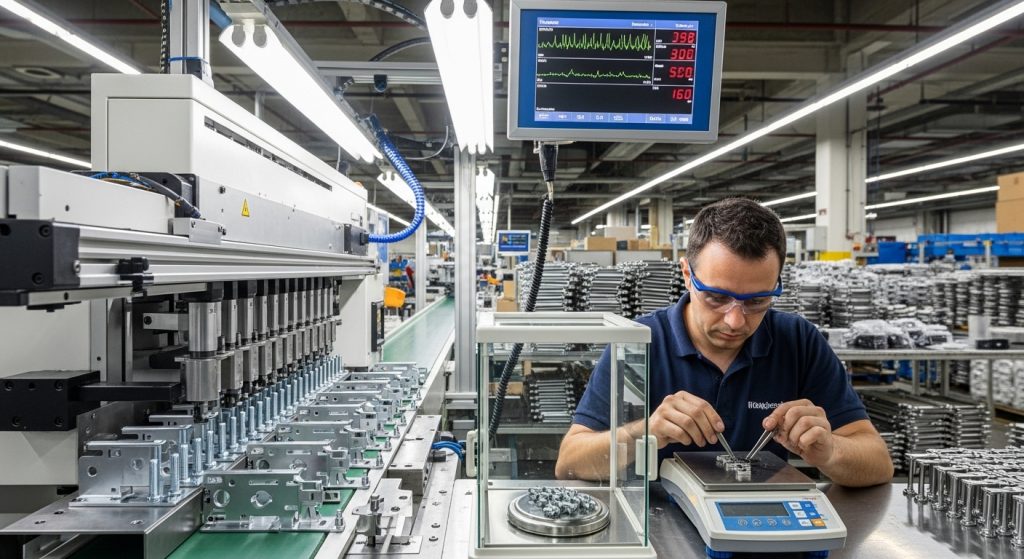
| Fattore | Impatto sulla qualità | Strategia |
| Ciclo veloce | Maggiore calore e vibrazione | Usa pistoni azionati da servo per un movimento più fluido |
| Espansione termica | Gli utensili crescono e si spostano | Monitorare la temperatura dello strumento e ricalibrare a mezzogiorno |
| Biblioteca del Programma | Tempi di setup più rapidi | Usa simulazioni 3D per verificare i colpi |
La produzione di massa spesso porta a una deviazione di espansione termica ad alto ciclo. Mentre la macchina funziona, L'olio e gli strumenti metallici si riscaldano e si dilatano. Questo può causare una piccola variazione nella profondità di flessione. Serve una risposta micro-correzione del servo posizionamento per gestire questi piccoli spostamenti. Mantenere alta la ripetibilità, la ritenzione della tolleranza del programma è l'unico modo per restare redditizio durante una produzione di 24 ore.
Scegliere la piattaforma giusta per freni a pressione CNC per la produzione di hardware
Selezione di un Stabilità della piattaforma di piegatura servo di precisione è il primo passo per qualsiasi ferramenta. Hai bisogno di una macchina che gestisca facilmente l'affidabilità dei cicli ripetuti di produzione hardware. Cerca una piattaforma di compatibilità multi-utensili che ti permetta di passare tra piccoli stampi per cerniera e grandi supporti. Un'architettura di controllo della piegatura di piccoli pezzi di alta qualità garantisce che la RAM si fermi sempre allo stesso micron. Questa piattaforma sarà la spina dorsale del tuo processo di produzione hardware per molti anni a venire.
Perché l'hardware in alluminio necessita di una strategia dedicata per la configurazione dei freni a pressione
Quando lavori con Freno pressa in lamiera di alluminio Unità, Devi pianificare l'amplificazione dell'elasticità dell'alluminio. Questo metallo è morbido e mostra una bassa durezza alla marcatura superficiale. Potresti notare un'instabilità sottile del raggio di flessione dell'alluminio se i tuoi attrezzi sono troppo affilati. È necessario un metodo di piegatura cosmetica delle superfici per mantenere le parti pulite per il cliente. L'alluminio è molto popolare per le rifiniture decorative dei mobili, Quindi la tua configurazione deve dare priorità all'aspetto e alla sensazione tanto quanto all'angolazione finale.
Come la produzione di ferramenta in lamiera d'acciaio cambia la pianificazione delle forze e gli stampi
Usando un Freno a pressa in lamiera d'acciaio richiede un approccio diverso rispetto all'alluminio. La zona di stabilità della formatura in acciaio laminato a freddo è prevedibile, Ma devi osservare il comportamento che si forma il plateau di ceduta dell'acciaio. C'è sempre un rischio di galling dell'interfaccia superficiale in lamiera quando il metallo scivola sul die. Dovresti usare una curva di prevedibilità della pressione di flessione in acciaio per pianificare la profondità del monte.. La ferramenta in acciaio è il tipo più comune, Quindi padroneggiare questo materiale è fondamentale per qualsiasi casa di produzione di ferramenta.
Lezioni intersettoriali dalla precisione di piegatura in lamiera HVAC
Si può imparare molto da un Freno a pressione HVAC Impostazione. Queste macchine si concentrano sulla stabilità della flessione dei condotti in lamiera sottile e sulla strategia di controllo della lunga flessione delle flange. Mentre le parti hardware sono più piccole, Il modo in cui gestiscono la tolleranza alle vibrazioni dei pannelli in lamiera è molto simile. Anche in una semplice configurazione di precisione ripetuta per piegatura di condotti d'aria, L'obiettivo è una corrispondenza perfetta. Queste lezioni su larga scala possono aiutarti a migliorare la stabilità della tua stazione di piegatura hardware.
Lezioni di precisione dalla piegatura della lamiera in involucri elettrici
Un Flessione elettrica dell'involucro Il processo richiede una tolleranza di allineamento stretta degli angoli dell'involucro. Questo è molto simile a realizzare un scorrevole per cassetti o una scatola di mobili in metallo. Serve un requisito molto alto di coerenza per la fessura della porta dei pannelli. La dipendenza dalla rettilineità dei bordi del foglio è ciò che mantiene questi contenitori quadrati. Applicare questi consigli di precisione per l'allineamento delle cuciture di assemblaggio del terrario alla ferramenta dei mobili porterà a risultati finali molto migliori.
Contrasto di flessione pesante delle piastre: Perché l'hardware per mobili è un gioco di precisione
Confrontare il tuo lavoro con un Flessione a piastra calda La macchina mostra perché l'hardware è speciale. Nel lavoro pesante, La dominanza della deformazione plastica a placche spesse è la forza principale. Si tratta di una distribuzione di tensioni di calibro pesante e del comportamento di formazione del carico di compressione a piastra. Questo contrasto tra tolleranza industriale pesante e tolleranza hardware mostra che, pur muovendo più metallo,, Lo muovi con più attenzione. L'hardware è un gioco di precisione in cui i micron contano più di una tonnellata.