


Come piegare la lamiera senza graffi: 8 consigli esperti per l'operazione del freno a pressione
Per i fabbricanti, Ottenere pieghe pulite senza imperfezioni superficiali è importante quanto la precisione della piegatura. Graffi, Segni, e i danni superficiali non compromettono solo l'aspetto—Possono indebolire i rivestimenti metallici, Ridurre la resistenza alla corrosione, e aumentare i tempi di post-elaborazione. Che tu gestisca un laboratorio in Nord America, una linea di fabbricazione di precisione in Europa, oppure un impianto ad alto volume in Asia, Padroneggiare le tecniche del freno a pressione è essenziale per ottenere risultati senza graffi.
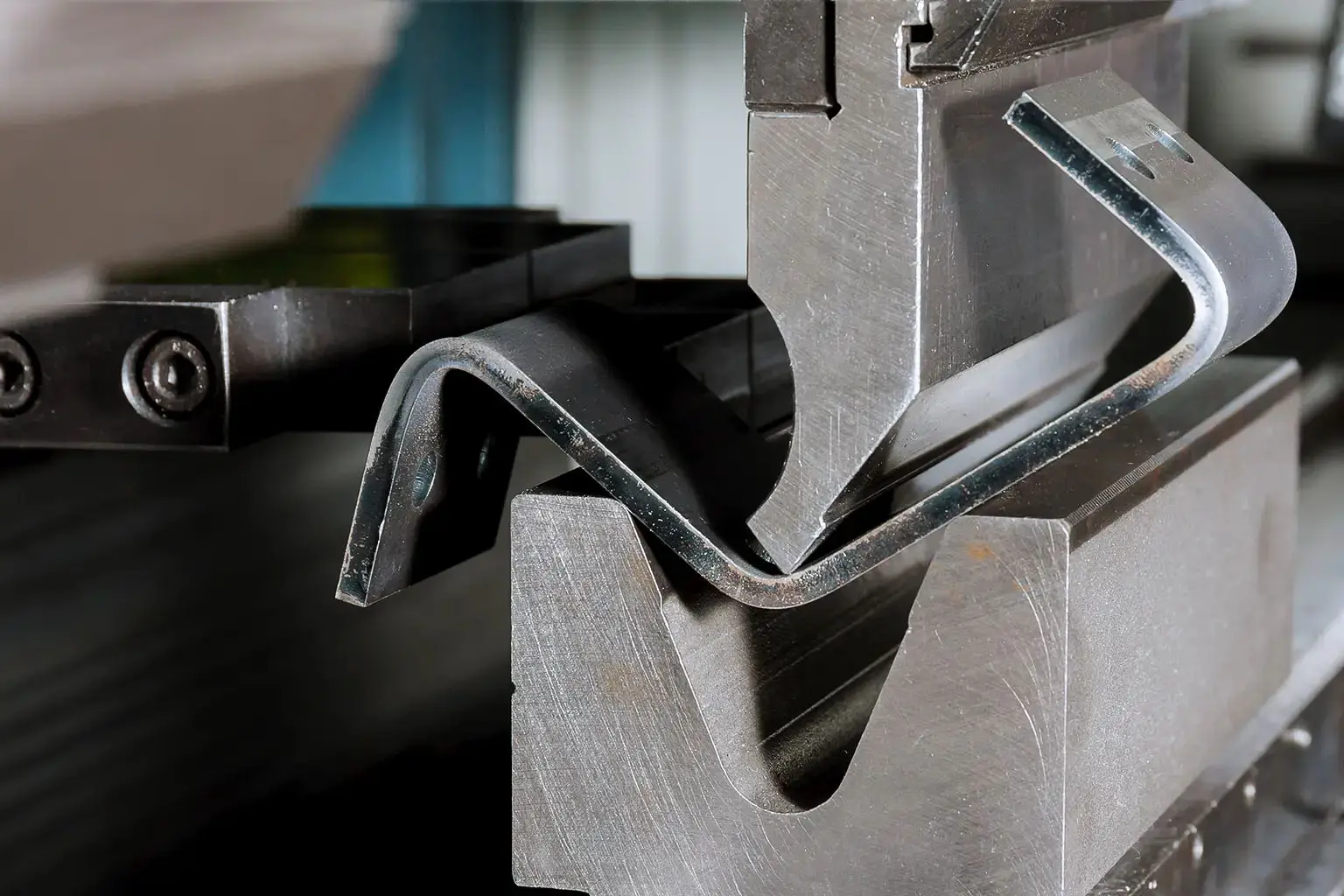
In questa guida, Condividiamo 8 consigli da esperti per aiutarti a piegare la lamiera in modo più efficiente preservando la qualità della superficie—Quindi le parti risultano sia formate con precisione che visivamente impeccabili.
Comprendere perché si verificano i graffi
Prima di immergersi nelle soluzioni, Aiuta a capire le cause comuni dei graffi durante la piegatura:
-
Attrito tra utensili e superfici metalliche
-
Spostamento del materiale durante la flessione
-
Supporto inadeguato del retroscartamento
-
Superfici ruvide o usurate
Migliorare la configurazione del freno a pressione e le abitudini operative può ridurre significativamente questi problemi.
Consiglio 1 — Usa lenzuola protettive e imbottiture
Posizionare sottili strati protettivi come strisce in PVC morbide, Carta Kraft, o cuscinetti in poliuretano tra gli utensili e il metallo impedisce un contatto diretto che possa danneggiare la superficie.
Questa barriera extra assorbe l'attrito e aiuta:
-
Prevenire le imperfezioni sui pezzi finiti
-
Proteggere superfici rivestite o verniciate
-
Riduzione dei segni degli utensili
Per lavori di precisione come pannelli architettonici o parti automobilistiche, Questo semplice passaggio può migliorare drasticamente la qualità della superficie.
Consiglio 2 — Mantieni gli utensili puliti e ben tenuti
Stampi sporchi o usurati sono una delle principali cause di graffi. Dust, Detriti, oppure l'accumulo di metallo su punzoni e matrici aumenta l'attrito e può incidere il metallo.
Le migliori pratiche includono:
-
Pulizia regolare delle superfici degli utensili
-
Ispezione per tagli e bave
-
Lucidatura delle superfici di contatto quando necessario
Pulito, Utensili lisci offrono pieghe più pulite e riducono il rischio di danni superficiali.
Consiglio 3 — Scegli gli utensili giusti per il tuo materiale
Il profilo corretto degli utensili e la durezza del materiale aiutano a ridurre le sollecitazioni superficiali del metallo. Per esempio:
-
Matrici lucidate sono preferibili per la lamiera finita
-
Utensili a raggi arrotondati riduce la deformazione metallica netta
-
Rivestimenti morbidi per utensili (e.g., nylon o uretano) Proteggi superfici delicate
Adattare la geometria degli utensili al tuo materiale e al tuo spessore specifici migliorerà i risultati.
Consiglio 4 — Regola pressione e velocità di flessione
Forza eccessiva e piegatura rapida possono aumentare la resistenza superficiale e la pressione di contatto con l'utensile, che porta a graffi.
Per ridurre questo:
-
Regolazione fine della velocità del pistone e della pressione di tonnellaggio
-
Rallentare la velocità di flessione per materiali delicati
-
Usa i controlli CNC per creare una soluzione fluida, Movimento costante
Il movimento oscillante del pistone con alimentazione controllata migliora la qualità della superficie nelle applicazioni di precisione.
Consiglio 5 — Materiale di supporto adeguato
Quando la lamiera non è sostenuta correttamente, Potrebbe scivolare, Rub, oppure scivolare durante la flessione. Assicurati che la tua configurazione includa:
-
Posizionamento accurato del retrograditore
-
Bracci o tavoli di supporto per fogli estesi
-
Morsetti dinamici di fissaggio per fissare materiale
Questo minimizza i movimenti indesiderati che possono causare rotura superficiale.
Consiglio 6 — Applicare una protezione temporanea della superficie
Per materiali verniciati o rivestiti, La pellicola protettiva o nastro da mascheramento è una barriera temporanea efficace.
I vantaggi includono:
-
Conservazione dei rivestimenti di fabbrica
-
Prevenzione dei segni degli utensili
-
Riduzione del tempo di pulizia dopo la piegatura
Assicurati solo di applicare e rimuovere con attenzione le pellicole protettive per evitare residui di adesivo.
Consiglio 7 — Ottimizza il retro-manometro e l'allineamento
Un allineamento erregolare del calibro posteriore può causare lo sfregamento delle lastre contro i fermi degli utensili o pieghe che si disallineino, che portano a graffi superficiali.
Per evitare questo:
-
Conferma la posizione degli indicatori con pinze digitali
-
Programmare posizioni di fermata coerenti per curve ripetitive
-
Usa il posizionamento CNC per un'elevata precisione
Un allineamento costante garantisce che le curve avvengano senza che il metallo scivoli indesideratamente.
Consiglio 8 — Gli operatori ferroviari sulle migliori pratiche
Anche il miglior freno a pressione può causare danni superficiali se gli operatori non hanno una formazione adeguata. Investi in una formazione per operatori che copra:
-
Tecniche di movimentazione dei materiali
-
Scelta corretta degli utensili
-
Routine di manutenzione delle macchine
-
Pratiche di sicurezza
Gli operatori ben addestrati sono meglio attrezzati per evitare errori che portano a difetti superficiali.
Consiglio bonus — Usa airbag o fissini pressurizzati per lamiera delicata
Per materiali in lamiera ultra-sottili o di alta qualità (e.g., Pannelli in acciaio inossidabile o alluminio), considerare Morsetti airbag o pretenzioni pressurizzate che:
-
Riduzione del contatto puntuale
-
Tieni i pannelli con delicatezza ma sicurezza
-
Prevenire i graffi durante la piegatura
Questi apparecchi avanzati sono particolarmente utili in officine di fabbricazione di precisione e in lavori architettonici di alta gamma.
Checklist per la configurazione del freno a pressione per curve senza graffi
Ecco una rapida checklist da applicare prima di ogni lavoro di piegatura:
✅ Ispeziona gli utensili per la pulizia e l'usura
✅ Scegli i profili di strumenti corretti
✅ Applica gli strati protettivi dove necessario
✅ Conferma la posizione del retrograditore
✅ Usa tavoli di supporto per fogli lunghi
✅ Regola pressione e velocità di flessione
✅ Operatori ferroviari su specifiche manipolazioni di materiali
✅ Applicare una protezione superficiale temporanea per i materiali finiti
Seguire questa checklist assicura che il freno a pressione sia ottimizzato per risultati di qualità ogni volta.
Raccomandazioni specifiche per i materiali
Materiali diversi richiedono una gestione unica:
Acciaio inox
-
Usa utensili lucidati
-
Riduzione della velocità di flessione
-
Applicare la pellicola protettiva superficiale
Alluminio
-
Minimizzare la pressione degli utensili
-
Usa cuscinetti più morbidi per protezione
-
Evita raggi di utensili affilati
Acciaio dolce
-
Gli utensili standard funzionano bene
-
Mantenere la pulizia degli utensili
-
Usa l'imbottitura per finiture sensibili
Adattando il tuo approccio alle caratteristiche materiali, Si ottiene una migliore qualità della superficie e si riduce la finitura post-flessione.
Perché la qualità della superficie è importante nella fabbricazione
La qualità della superficie influenza non solo l'aspetto visivo ma anche l'aspetto:
-
Resistenza alla corrosione (Soprattutto nei materiali rivestiti)
-
Adattamento negli assemblaggi
-
Adesione di vernice e rivestimento
-
Soddisfazione del cliente e qualità percepita
In settori come quello automobilistico, aerospaziale, e lavori architettonici in metallo, Superfici immacolate sono spesso non negoziabili.
Conclusione: Padroneggiare la piegatura del freno a pressione per ottenere risultati senza graffi
Ottenere pieghe in lamiera senza graffi richiede una combinazione di adeguata configurazione, Scelte intelligenti degli utensili, Tecniche specifiche per materiale, e addestrato operatori. Che tu gestisca un'officina di fabbricazione negli Stati Uniti, Germania, o Cina, Queste tecniche aiutano a minimizzare i danni superficiali massimizzando la precisione e la produttività della piegatura.
Seguendo i consigli elencati in questa guida, Ridurrà il riwork, Proteggere le finiture dei materiali, e consegnano componenti di alta qualità che soddisfano sia gli standard funzionali che estetici.
A Apparecchiature intelligenti JS RAGOS, Supportiamo i fabbricanti con soluzioni avanzate per freni a pressione e guida operativa pratica per aiutarti a ottenere i migliori risultati dalle tue macchine—ogni curva, ogni parte.