


Lavorazione a fascio laser: Processo, Tipi, Vantaggi e applicazioni
Lavorazione a fascio laser (LBM) si riferisce a un processo di lavorazione senza contatto basato sull'energia termica e può essere utilizzato per tagliare materiale concentrando un fascio laser ad alta energia su un pezzo da lavoro. Riscaldamento localizzato, La fusione e la vaporizzazione del materiale sono tutte coinvolte tramite l'uso del fascio intenso per produrre un taglio preciso, Perforazione o modifica della superficie.
A differenza delle tecniche di lavorazione meccanica tradizionali in cui si realizza il contatto meccanico, La LBM coinvolge energia luminosa focalizzata, il che significa che non c'è usura dello strumento e lo stress meccanico esercitato sui materiali fini è minimo.
Questo articolo descrive il funzionamento della lavorazione a fascio laser, i suoi principali costituenti, Benefici, Sfide, e attualmente utilizzato nell'industria.
Cos'è la lavorazione a fascio laser?
La lavorazione a fascio laser è un esempio di processo di lavorazione non tradizionale che richiede l'uso di fascio focalizzato di energia laser per abrasione delle superfici metalliche e non metalliche.
Fondamentalmente, LBM si concentra volutamente sulla coerenza, luce monocromatica su un pezzo di lavoro. L'energia assorbita aumenta rapidamente la temperatura, fondendo e vaporizzando così il materiale.
Poiché non comporta forze di taglio né deformazione meccanica, a seconda delle forze senza contatto, Il processo non colpisce fogli sottili o materiali fragili e caratteristiche di diametro inferiore a un micrometro - rendendolo ideale.
Principio di funzionamento della lavorazione a fasci laser
Il meccanismo fondamentale della LBM comprende tre fasi:
1. Generazione laser
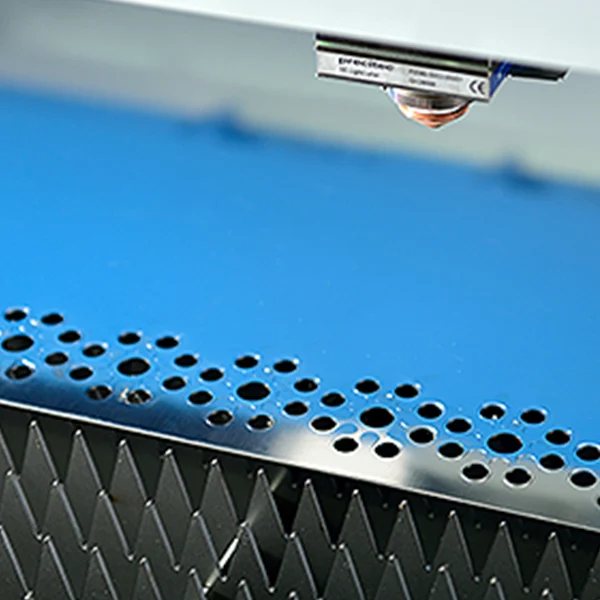
Una sorgente laser ad alta energia (come i laser CO₂ o a stato solido) genera un fascio intenso di luce coerente .
2. Messa a fuoco del fascio
Obiettivi ottici e specchi focalizzano il fascio in una dimensione di punto molto piccola, aumento significativo della densità energetica .
3. Rimozione dei materiali
Il fascio focalizzato interagisce con la superficie, causando un rapido riscaldamento, Fusione, e vaporizzazione. Il materiale viene espulso dalla zona di taglio .
L'assenza di contatto meccanico previene l'usura degli utensili e consente l'automazione per percorsi di taglio complessi .
Componenti principali di un sistema LBM
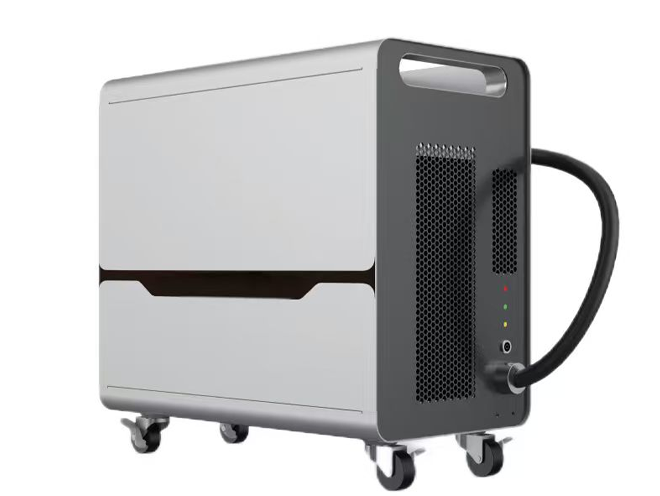
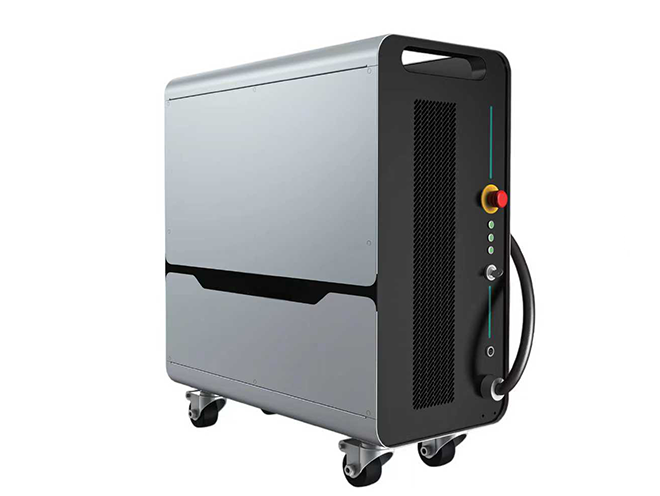
Un tipico sistema di lavorazione a fascio laser include:
-
Sorgente laser (CO₂, fibra, o a stato solido)
-
Alimentazione e sistema di eccitazione
-
Lenti di messa a fuoco ottiche e specchi
-
Sistema di controllo CNC per movimenti di precisione
-
Sistema di raffreddamento e assistenza a gas
I moderni sistemi laser controllati da CNC consentono operazioni ripetibili e automatizzate .
Tipi di laser utilizzati nella lavorazione meccanica
Vengono utilizzati diversi tipi di laser a seconda dell'applicazione:
Laser CO₂
Comune nel taglio industriale; Funzionano con miscele gassese e sono ampiamente impiegate per la lavorazione della lamiera .
Laser a fibra
Nota per l'elevata efficienza e la precisione delle prestazioni di taglio nei metalli .
Stato Solido / Nd:Laser YAG
Impiegato nella perforazione di precisione, Marcatura, e applicazioni di microlavorazione .
Ogni tipo offre caratteristiche diverse di lunghezza d'onda, Influenzare l'assorbimento e le prestazioni di taglio.
Vantaggi della lavorazione a fascio laser
La lavorazione a fascio laser offre diversi vantaggi principali:
1. Alta precisione
LBM può raggiungere precisione di elaborazione a livello micronico e geometrie complesse .
2. Nessun usura degli utensili
Dato che non c'è contatto fisico, Gli utensili non si degradano nel tempo .
3. Opere su materiali multipli
Può lavorare i metalli, plastica, Ceramica, vetro, e compositi .
4. Zona minimamente colpita dal calore
Rispetto ad alcuni processi termici convenzionali, LBM può mantenere una zona relativamente piccola influenzata dal calore .
5. Automazione e integrazione CNC
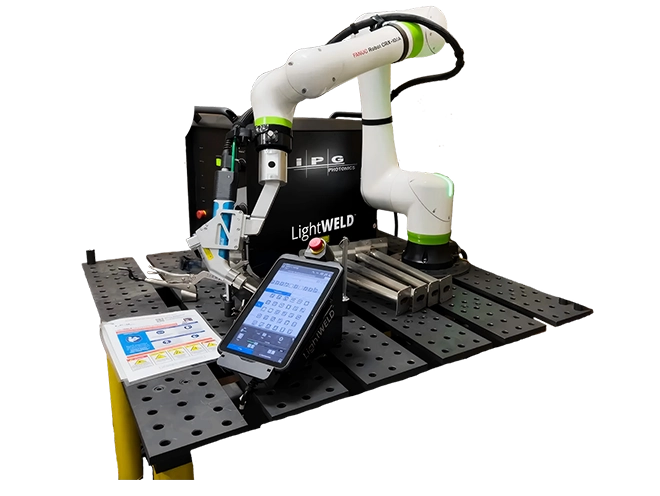
I sistemi laser si integrano facilmente con sistemi di automazione e robotizzati per la produzione di massa .
Limitazioni della lavorazione a fascio laser
Nonostante i suoi benefici, LBM presenta alcuni vincoli:
1. Alto Investimento Iniziale
I sistemi laser richiedono costi di investimento significativo .
2. Limitazioni di spessore
La lavorazione laser può avere limitazioni nel taglio di materiali molto spessi .
3. Taper e qualità dei fori
La perforazione profonda può produrre una leggera conicità o variazioni dimensionali .
4. Consumo energetico
La lavorazione laser consuma energia notevole, contribuendo ai costi operativi .
Questi fattori devono essere considerati nella selezione della LBM per applicazioni industriali.
Applicazioni industriali della lavorazione a fasci laser
La lavorazione a fascio laser è ampiamente utilizzata in:
Aerospaziale
Taglio di precisione e micro-foratura per componenti leggeri .
Automobilistico
Taglio della lamiera e fabbricazione di parti strutturali .
Elettronica
Lavorazione a microfunzionalità e fabbricazione di circuiti .
Dispositivi Medici
Microcomponenti ad alta precisione e applicazioni chirurgiche .
Perché LBM supporta l'automazione e un'elevata ripetibilità, Svolge un ruolo centrale nei sistemi di produzione avanzati.
Lavorazione a fasci laser vs lavorazione convenzionale
Rispetto al taglio meccanico:
-
Nessun contatto con utensili meccanici
-
Maggiore capacità di automazione
-
Maggiore precisione in materiali sottili o delicati
Tuttavia, La lavorazione meccanica convenzionale può ancora essere preferita per sezioni molto spesse o rimozione di materiale pesante.
Conclusione
La lavorazione a fasci laser si riferisce a una guida efficace senza contatto che prevede l'utilizzo di energia luminosa focalizzata per tagliare, perforare o incidere i materiali a un livello estremamente preciso. LBM facilita forme complesse, integrazione dell'automazione e della lavorazione di multimateriali poiché sfrutta la forza termica piuttosto che quella meccanica.
Sebbene le restrizioni di costo e spessore di capitale siano elevate, Sono i vantaggi della lavorazione a fascio laser: precisione, Nessuna usura degli utensili, e compatibilità CNC, che le rendono un pilastro della fabbricazione moderna.