


Laser a fibra vs laser CO₂: Differenze chiave e come scegliere
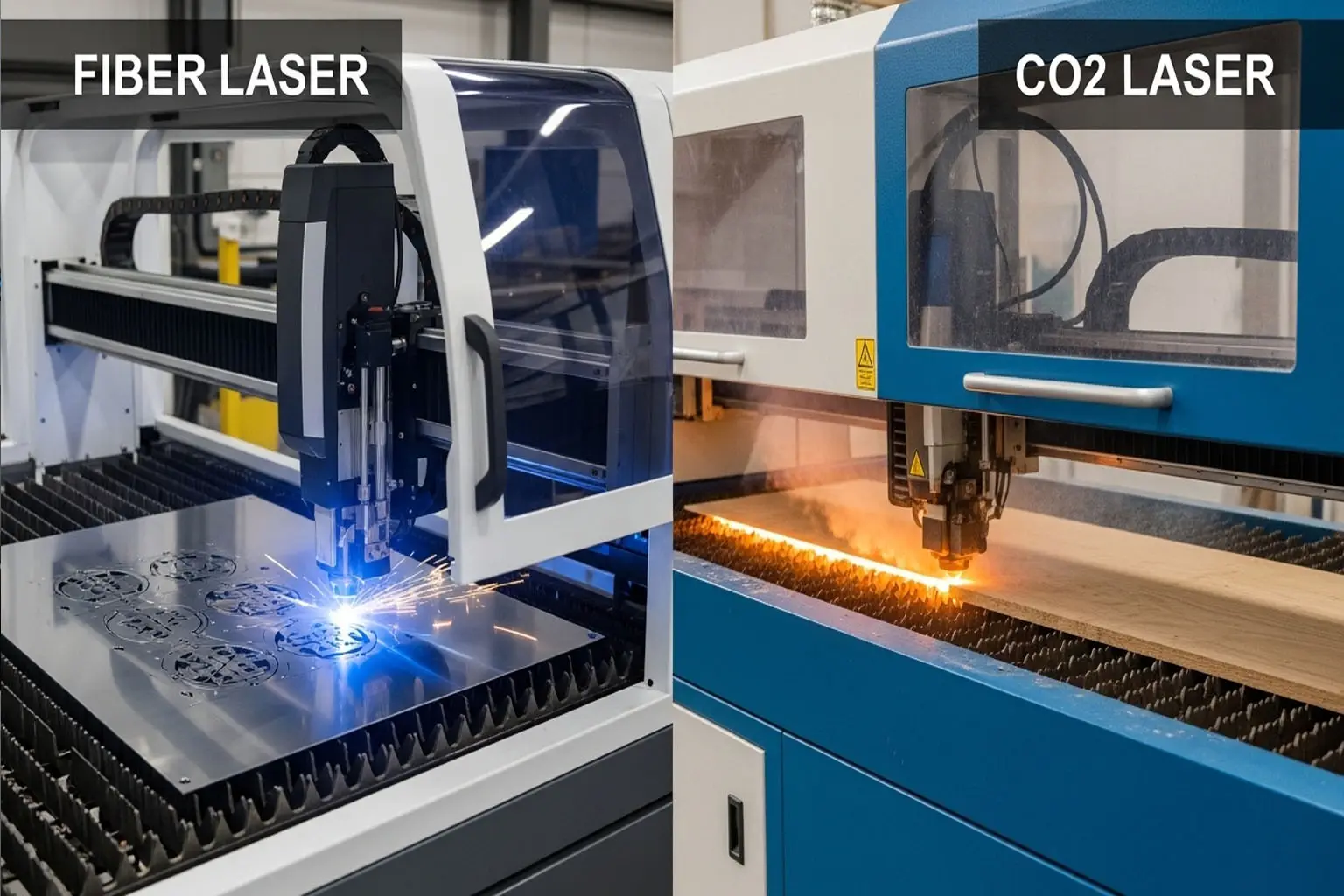
The decision on whether to use a fiber laser or a CO 2 laser is dependent on the type of what you will cut, lo spessore del materiale, Volume di produzione e costi operativi nel lungo periodo. Le due tecnologie sono molto popolari nella fabbricazione dei tempi moderni, ma le loro lunghezze d'onda variabili, efficienza, Manutenzione e compatibilità dei materiali, Differiscono molto.
Il confronto effettuato da ACCURL mostra che i laser a fibra utilizzano tecnologia a stato solido e fibre ottiche per fornire energia laser, mentre i laser a CO 2 si basano su un tubo riempito di gas e su una consegna a specchio del fascio. Queste prestazioni variano nel design e hanno un impatto diretto sulle prestazioni e sull'economia operativa.
1. Differenze tecnologiche fondamentali
Laser a fibra
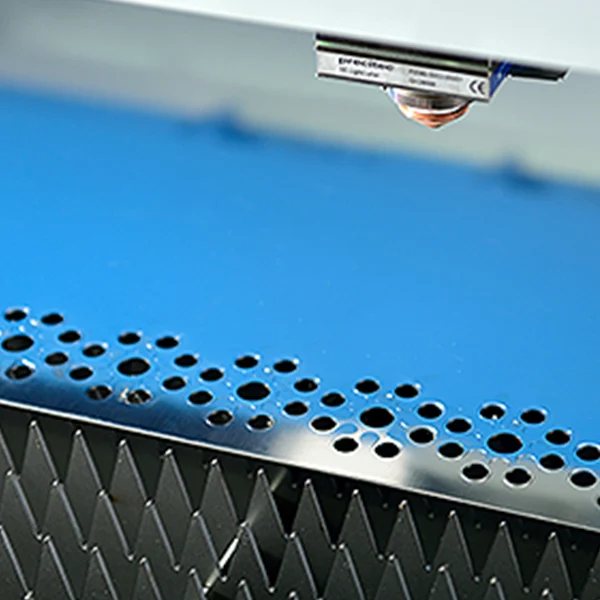
Un laser a fibra è un laser a stato solido che genera luce utilizzando un diodo laser e la amplifica attraverso cavi in fibra ottica . Questo design crea un percorso di fascio compatto con requisiti minimi di allineamento.
I laser a fibra operano tipicamente nell'intervallo infrarosso intorno a 780–2200 nm , il che migliora l'assorbimento nei metalli—Soprattutto materiali riflettenti come alluminio e rame .
Caratteristiche chiave:
-
Alta qualità del fascio
-
Forte assorbimento del metallo
-
Allineamento ottico minimo
-
Lunga durata della sorgente (spesso 100,000Orari)
CO₂ Laser
I laser CO₂ generano luce laser stimolando elettricamente una miscela di gas all'interno di un tubo . Il fascio viene diretto verso la testina di taglio tramite specchi.
I laser CO₂ operano a lunghezze d'onda maggiori (circa 10,600 nm) , che interagisce in modo più efficace con materiali non metallici come il legno, acrilico, Pelle, e tessuti .
Caratteristiche chiave:
-
Eccellente per i non metalli
-
Finitura a bordo liscio su materiali spessi
-
Tecnologia comprovata nella segnaletica e nella lavorazione del legno
2. Riduzione della velocità e produttività
I laser a fibra superano costantemente i laser CO₂ con velocità di taglio del metallo sottile. Un confronto di prestazioni mostra i laser a fibra che tagliano acciaio fino a cinque volte più velocemente rispetto ai sistemi CO₂ .
Per esempio:
-
Laser a fibra: ~1,417 IPM su acciaio calibro 16
-
Laser CO₂: ~260 IPM su acciaio calibro 16
Un confronto su Reddit nota anche che una fibra da 2 kW può tagliare veloce quanto una da 5–Laser CO₂ da 6 kW in scenari di materiali sottili .
Coinvolgimento:
Per la produzione di metalli ad alto volume—Soprattutto un foglio sottile o medio—I laser a fibra offrono notevoli vantaggi di produttività.
3. Capacità di Spessore
Le prestazioni dello spessore dipendono molto dal livello di potenza.
-
Laser in fibra ad alta potenza (20 kW e oltre) può tagliare l'acciaio con una lunghezza di circa 1,5 pollici (≈38 mm) .
-
I dati del settore mostrano anche sistemi in fibra che tagliano acciaio al carbonio fino a 20 mm con eccellente qualità a 15 kW .
Tuttavia, I laser CO₂ spesso offrono finiture più lisce quando si tagliano materiali più spessi o non metallici .
Tendenza generale:
-
Fibra → Migliore per metalli sottili o medi
-
CO₂ → Preferito per finiture spesse non metalliche e con finiture estetiche dei bordi
4. Efficienza energetica e costi operativi
L'efficienza energetica è uno dei maggiori fattori di differenzia.
I laser a fibra ottengono tipicamente 25–Efficienza del 35% su presa a muro , mentre i sistemi CO₂ operano a circa 8–15% .
In termini reali:
-
Un sistema fibra da 6 kW può consumare ~20–25 kW potenza totale del sistema
-
Un sistema CO₂ da 4 kW può consumare 40–50 kW
Oltre 10 anni,000 Orari di apertura, Questo può causare differenze di costo energetico superiori a 15 dollari,000–25,000 .
Conclusione:
I laser a fibra generalmente offrono un costo totale di proprietà inferiore per la fabbricazione dei metalli.
5. Requisiti di manutenzione
I laser a fibra hanno meno parti mobili e nessun tubo a gas. La manutenzione è solitamente limitata alla sostituzione degli ugelli e alla pulizia protettiva dei vetri .
I laser CO₂ richiedono:
-
Ricarichi di benzina
-
Pulizia e allineamento degli specchi
-
Sostituzione del tubo ogni 2,000–10,000 orario
Questo comporta una maggiore manodopera di manutenzione e tempi di inattività per i sistemi CO₂.
Gli utenti di Reddit sottolineano spesso la minore manutenzione della fibra e la semplicità operativa .
6. Qualità del taglio e finitura dei bordi
I laser a fibra eccellono nella precisione e producono risultati puliti, Tagli stretti a taglio nei metalli .
Tuttavia, I laser CO₂ spesso producono bordi più lisci in acrilico o legno spesso . Un esempio utente che taglia 3/8" L'acrilico mostrava differenze evidenti nello smalto dei bordi in base all'obiettivo e alla configurazione .
In pratica:
-
Precisione del metallo → Fibra
-
Qualità estetica dei punti organici → CO₂
7. Compatibilità dei materiali
I laser a fibra sono ottimizzati per:
-
Acciaio al carbonio
-
Acciaio inossidabile
-
Alluminio
-
Rame
I laser CO₂ rimangono la soluzione dominante per:
-
Legno
-
Acrilico
-
MDF
-
Pelle
-
Gomma
Se la tua azienda taglia principalmente materiali non metallici, La fibra potrebbe non essere adatta.
8. Investimento iniziale
I laser a fibra richiedono tipicamente un investimento iniziale più elevato . I sistemi CO₂ spesso hanno costi iniziali inferiori ma maggiori spese di energia e manutenzione a lungo termine .
Esempio di confronto dei costi a 5 anni:
-
Fibra da 6 kW: ~$165,000 totale
-
4 kW CO₂: ~$185,000 totale
Nonostante il costo iniziale più elevato, La fibra spesso vince nel ritorno sul investimento a lungo termine per il taglio del metallo.
Breve riassunto comparativo
| Categoria | Laser a fibra | CO₂ Laser |
|---|---|---|
| Meglio per | Metalli | Non metalli |
| Velocità di taglio | Molto veloce (metalli sottili) | Più lento |
| Efficienza energetica | 25–35% | 8–15% |
| Manutenzione | Basso | Superiore |
| Costo iniziale | Superiore | Abbassare |
| Finitura di bordo | Tagli precisi del metallo | Liscio su non metalli spessi |
Raccomandazione finale
Scegli Laser a fibra se:
-
Tagliate principalmente metallo
-
Velocità e produttività contano
-
L'efficienza energetica è fondamentale
-
Vuoi una manutenzione più bassa
Scegli Laser CO₂ se:
-
Principalmente tagli legna, acrilico, Tessuti, o gomma
-
La liscia dei bordi su materiali organici spessi è importante
-
I vincoli di bilancio favoriscono un investimento iniziale più basso
Entrambe le tecnologie rimangono rilevanti—Ma per la fabbricazione moderna del metallo, I laser a fibra sono diventati la soluzione dominante grazie all'efficienza, velocità, e vantaggi di costo a lungo termine